

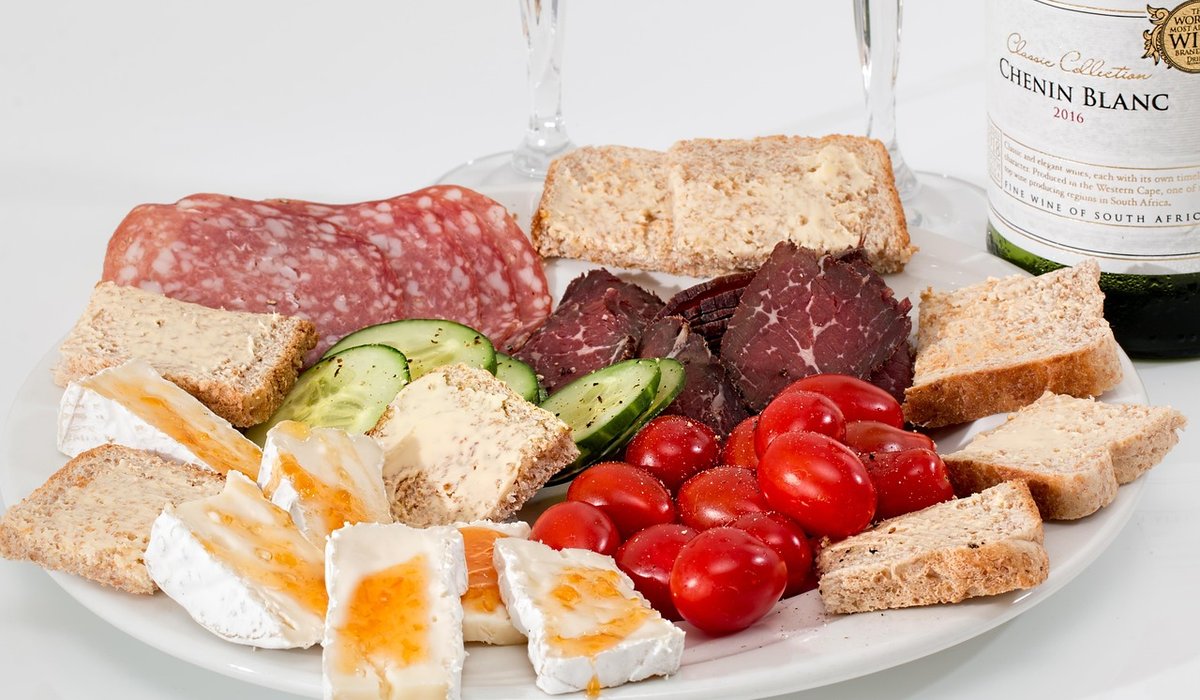
How to Choose a Mediterranean Wine for Dinner
Start With the Food, Not the Label
Mediterranean cooking is built on a handful of bold flavours: olive oil, lemon, garlic, oregano, charcoal smoke and salt. Those are precisely the things that change how a wine tastes, so the food on the table should decide what you pour. A white that feels lovely on its own can taste thin and hard alongside a bowl of lemony hummus, and a generous red that seems impressive in the glass can turn bitter next to grilled fish. The good news is that the Mediterranean has been matching wine to this sort of food for centuries, so the answers are already in the bottle.
Three simple pillars will see you through almost every dinner: crisp whites, soft reds and dry rosés. Get those roughly right and you will rarely go far wrong.
Crisp Whites for Mezze, Salads and Grilled Fish
When the table is crowded with small plates, you want a white with real acidity and a salty, savoury edge. Acidity cuts through olive oil and fried food, while a saline finish flatters shellfish, feta and grilled vegetables in a way that a soft, buttery white simply cannot.
Greece is a superb place to start. Assyrtiko from Santorini is the benchmark: bone-dry, lemon-scented, with a mineral, sea-spray quality that makes grilled octopus taste even better. Moschofilero is lighter and floral, lovely with taramasalata and salads, while Vidiano from Crete sits somewhere between the two. Further west, look for Vermentino, Picpoul de Pinet, Fiano and Greco di Tufo — all brisk, food-friendly and reasonably priced.
- Best with: mezze, dolmades, grilled sardines, prawns, Greek salad, fried courgette.
- Avoid: heavily oaked whites. Vanilla and toast clash badly with lemon, garlic and herbs.
- Serve: properly chilled, but not ice-cold — around 8–10°C. Too cold and you lose the perfume.
Soft Reds for Roasts, Grills and Baked Dishes
This is where most people overreach. Big, tannic reds and tomato-based Mediterranean cooking are not natural friends: the acidity in the sauce makes the tannin taste harsh and metallic. What you actually want is a red with plenty of fruit, moderate tannin and a warm, herby character.
Agiorgitiko from Nemea is a brilliant all-rounder — plummy, soft and gently spicy, and it loves roast lamb and moussaka. Nero d'Avola from Sicily brings darker fruit and a generous texture, ideal with aubergine bakes and sausages. Montepulciano d'Abruzzo is another dependable choice for anything tomato-based. For slower-roasted meats, try Grenache, Carignan or a smoky Nerello Mascalese from Etna.
One Greek red deserves a special mention: Xinomavro. High in acidity and tannin, it can seem severe when young, but with roast lamb or aged cheese it becomes something remarkable. If you open a young one, pour it into a jug or decanter for half an hour first.
- Serve: lightly cool, around 14–16°C. Ten minutes in the fridge on a warm evening does most reds no harm at all.
- Keep it simple: if the dish has tomatoes, herbs and olive oil, choose fruit over power.
Dry Rosé Is the All-Rounder
If you only want one bottle on the table, make it a dry rosé. Pale, crisp and refreshing, it handles charcuterie, grilled vegetables, prawns, tomato dishes and even lamb kebabs without complaint. Provence set the style, but Greek rosés made from Xinomavro or Agiorgitiko are every bit as good, often with a little more fruit and a lovely savoury finish. Cerasuolo d'Abruzzo is a deeper, more serious version — excellent with grilled tuna or a plate of cured meats.
Choose dry rather than sweet, and look for a pale onion-skin colour rather than a bright pink. Serve it colder than you think, around 6–8°C, and it will stay fresh right through the meal.
Serving Details That Make a Real Difference
Good bottles are often undone by small things at the table.
- Chill whites and rosés properly — twenty minutes in an ice bucket and water works far faster than the fridge.
- Don't overfill glasses. A third full gives the wine room to open up.
- Drink light before heavy. Start with the crisp white, move to rosé, then finish with the red.
- Keep water on the table. It resets your palate between salty, oily small plates.
- Try a retsina with mezze. The resin note sounds odd on paper, but with olives, feta and grilled fish it makes complete sense.
Building a Mediterranean House Style
You do not need a cellar. A short, well-chosen shelf will cover almost everything you cook. Keep one crisp white, one dry rosé and two soft reds — perhaps an Agiorgitiko for everyday and a Xinomavro for weekends. Buy two bottles of a wine you like rather than one of each, because a second bottle teaches you far more than a first.
Spend modestly. Between roughly £8 and £15 you will find excellent Assyrtiko, Vermentino, Nero d'Avola and Greek rosé in most independent wine shops and supermarkets. Read the label for grape and region rather than fancy packaging, and ask for something dry and food-friendly if you are unsure.
Above all, remember that Mediterranean wine is designed to be drunk with food, not judged before it. Open a bottle, put out the mezze, and let the two settle into each other — that is the whole pleasure of the table.


Greek Recipes
-
Discover how lemon juice and zest brighten soups, stews, salads, and roasted dishes while balancing rich olive oil flavours.

Restaurant Reviews



-

Long established fact that a reader will be distracted
-

Long established fact that a reader will be distracted
-

Long established fact that a reader will be distracted




Meze Dishes
Karla Gleichauf
12 May 2017 at 05:28 pm
On the other hand, we denounce with righteous indignation and dislike men who are so beguiled and demoralized by the charms of pleasure of the moment
M Shyamalan
12 May 2017 at 05:28 pm
On the other hand, we denounce with righteous indignation and dislike men who are so beguiled and demoralized by the charms of pleasure of the moment
Liz Montano
12 May 2017 at 05:28 pm
On the other hand, we denounce with righteous indignation and dislike men who are so beguiled and demoralized by the charms of pleasure of the moment