

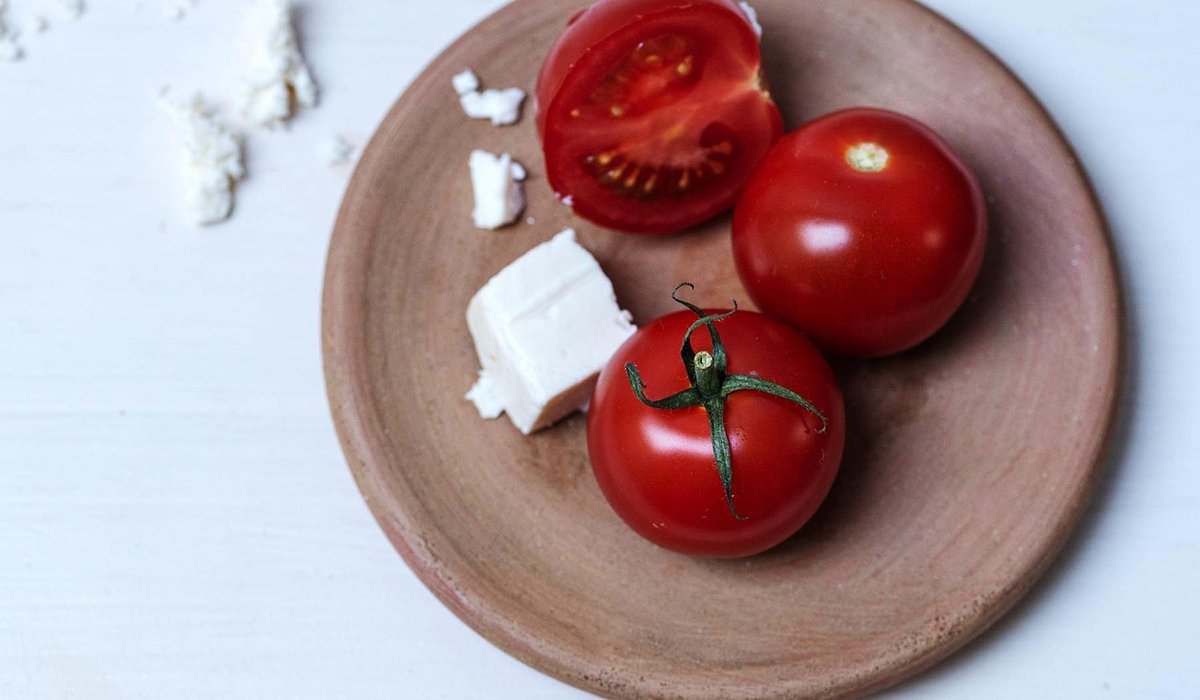
Exploring Regional Greek Cheeses Beyond Feta
Beyond Feta: A Cheese Larder Worth Knowing
Walk into most British supermarkets and Greek cheese means one thing: a vacuum-packed block of feta. It is a fine cheese, and it earns its place on the table. But treating it as the whole story is like reducing British cheese to cheddar and stopping there. Greece has a whole family of firm, semi-hard and stretched-curd cheeses, each with its own job in the kitchen, and most of them travel well and keep for weeks in the fridge.
One thing worth knowing before you buy: the majority of traditional Greek cheeses are made with sheep's milk, goat's milk, or a blend of the two. That is why they taste fuller, tangier and slightly sweeter than their cow's-milk cousins. Look for them in Greek and Cypriot grocers, good delis, and the larger Mediterranean sections of bigger supermarkets. Ask for a taste before you commit — a good counter will always oblige.
Kasseri: The Stretchy, Melting One
Kasseri is a pale, semi-hard cheese made by the same stretched-curd method used for mozzarella and halloumi. The result is firm enough to slice cleanly but springy, with a mild, buttery, faintly salty flavour and a slight squeak when it is young. It browns beautifully in a hot pan and melts into long, satisfying strings.
- Fry thick slices in a dry non-stick pan for a couple of minutes each side, until spotted gold, then finish with lemon.
- Grate it coarsely (cold from the fridge grates best) into a cheese pie filling with eggs and a spoonful of yoghurt.
- Use it in place of halloumi when you want less salt and more melt, or layered into baked pasta and moussaka.
Kefalotyri: Sharp, Salty and Built for the Grill
Kefalotyri is one of the oldest Greek cheeses, a hard, dense, pale yellow wheel with a pronounced salty tang. It does not melt so much as soften and blister, which makes it ideal for frying. The flavour is bold enough to stand up to lemon, oregano and olive oil without disappearing.
- Saganaki: cut slices about a centimetre thick, fry in olive oil over a medium-high heat, and squeeze over lemon the moment it comes out of the pan.
- Grate it finely over hilopites, orzo or plain spaghetti tossed with browned butter — a simple, deeply savoury supper.
- Shave it over roasted courgettes, aubergine or a tomato salad for a salty edge.
Buy it in wedges rather than pre-grated. A hard cheese like this keeps for weeks wrapped in greaseproof paper and then a bag in the fridge, and the rind can be dropped into a pot of beans for depth.
Graviera: Nutty, Complex and Perfect for Snacking
Graviera is Greece's answer to a hard Alpine cheese, and it varies wonderfully by island. Cretan graviera tends to be sweet and nutty with a hint of caramel; the Naxos version is often a little sharper and more buttery. Younger wheels slice neatly and belong on a board; older ones turn crumbly and are best grated.
- Make a graviera saganaki — the sweetness of the cheese against the salt of the frying is superb.
- Pair it with figs, walnuts, honey and a glass of something crisp and white.
- Grate the aged sort over greens, pies or a baked aubergine dish in place of parmesan.
Manouri and Mizithra: The Fresh, Creamy End
Manouri is a whey cheese, made from the by-product of feta production, and it is one of the most underrated cheeses in the Greek larder. It is creamy, mild and only lightly salted, yet firm enough to hold its shape when sliced. Grill or pan-fry it and it softens in the middle while the outside takes on colour. Drizzle with honey and scatter with sesame seeds for a pudding that takes five minutes.
Mizithra is a close relative, sold either fresh and soft or dried and grated. The fresh sort is lovely in sweet and savoury pastries; the dried sort is the traditional grating cheese for Cretan pasta and pies. Anthotyro, another whey cheese, sits in the same family and works beautifully crumbled into salads.
Pies, Grills and Meze: Putting Them to Work
The easiest way into this larder is a cheese pie. A reliable formula for a family-sized tray: about 300g of grated firm cheese (kasseri, kefalotyri or a mix), two eggs, two tablespoons of thick yoghurt, a little chopped mint, and plenty of filo brushed with olive oil. Layer, bake at 180°C for around 40 minutes, and rest before cutting.
For grilling, the rules are the same across the family. Cut slices about a centimetre thick, dry them on kitchen paper, use a hot pan with a thin film of oil, and resist moving them until a crust has formed. Lemon at the end, never at the start.
- Meze plate: graviera, kefalotyri and manouri alongside tomatoes, cucumber, olives, dried oregano, good bread and a little olive oil.
- Weeknight: grated kefalotyri stirred through hot pasta with butter and black pepper.
- Weekend: kasseri or graviera saganaki with warm pitta and a sharp tomato salad.
- Storage: hard cheeses keep for weeks, wrapped in greaseproof then bagged; fresh whey cheeses want eating within a few days.
Start with one or two, cook them in the simplest way possible, and you will quickly find your own favourites. Feta will still have its place — but it will no longer be alone on the shelf.


Greek Recipes
-
Arrange shared bowls, simple linens, and seasonal flowers to encourage relaxed conversation and generous helpings for everyone at home.


Restaurant Reviews


-

Long established fact that a reader will be distracted
-

Long established fact that a reader will be distracted
-

Long established fact that a reader will be distracted




Meze Dishes
Karla Gleichauf
12 May 2017 at 05:28 pm
On the other hand, we denounce with righteous indignation and dislike men who are so beguiled and demoralized by the charms of pleasure of the moment
M Shyamalan
12 May 2017 at 05:28 pm
On the other hand, we denounce with righteous indignation and dislike men who are so beguiled and demoralized by the charms of pleasure of the moment
Liz Montano
12 May 2017 at 05:28 pm
On the other hand, we denounce with righteous indignation and dislike men who are so beguiled and demoralized by the charms of pleasure of the moment