

How to Build a Balanced Greek Meze Platter at Home
Start with the Right Mindset
A Greek meze spread is not a starter, a main and a pudding. It is a slow, sociable way of eating where everything lands on the table at once and people help themselves over an hour or two, usually with a glass of something cold within reach. For British cooks used to plating up, this is genuinely liberating. You are not timing anything. You are assembling.
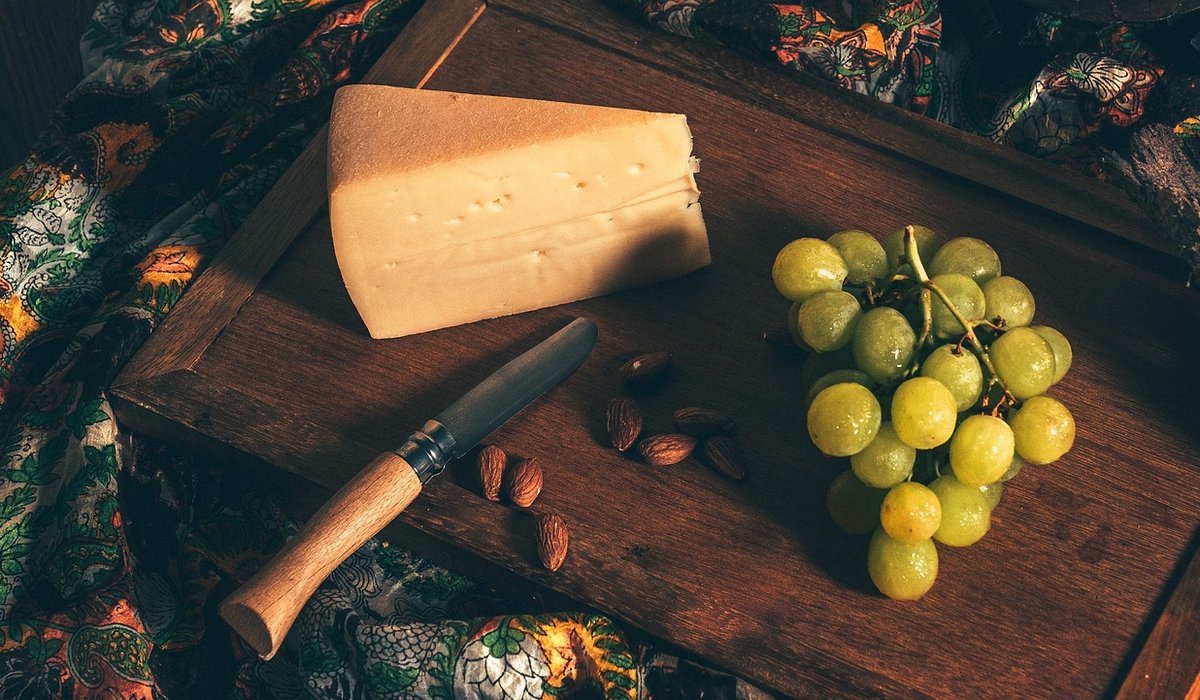
The aim is balance: something creamy, something salty, something sharp, something fresh and something with a bit of char. Get those five notes on the table and the spread will feel complete, whether you are feeding four people on a Tuesday or twelve on a Saturday afternoon.
Build the Base: Dips and Yoghurt
Dips are the heart of the platter and the cheapest way to make it look generous. Aim for three, in small bowls rather than one giant one, so people can reach across the table without leaning.
- tzatziki — grate a cucumber, squeeze out the water in a clean tea towel, then stir into full-fat Greek yoghurt with crushed garlic, olive oil, salt and a little lemon
- taramasalata — buy a good one from a deli rather than making it from scratch, and finish it with a slick of olive oil and a pinch of paprika
- melitzanosalata — roast an aubergine directly over a gas flame or under a hot grill until collapsed, then mash with garlic, lemon and olive oil for a smoky, rustic alternative
Whichever you choose, take them out of the fridge twenty minutes before serving. Cold dips taste of nothing, and this is the single most common mistake I see at home spreads in the UK.
Add Cheese, Olives and Cured Bits
Now for the salty, savoury layer. Greek cheese is where a lot of supermarket platters go wrong, usually because everything is feta. Vary it.
- feta — buy it in brine, in a block, and crumble it yourself. The pre-crumbled tubs are drier and saltier
- halloumi — slice and griddle until properly charred, not just warm
- kefalotyri or kasseri — harder, sharper cheeses that cut into wedges and sit happily on the board
- olives — Kalamata for depth, green Halkidiki for a firmer, buttery bite. Drain them and dress with a little olive oil and dried oregano
- cured meat — a few slices of pastourma or loukaniko sausage, fried until the edges crisp, if you eat meat
Keep portions modest. Three olives per person looks mean; a small bowl that gets refilled looks hospitable.
Grill the Vegetables Properly
This is the section that turns a snack board into a meal. Greek vegetable cooking is about high heat, good oil and not much else.
Slice aubergines and courgettes lengthways into half-centimetre planks, salt the aubergine for twenty minutes and pat dry. Brush with olive oil and grill on a ridged pan or under the grill until they have real dark marks, then dress while hot with lemon juice, olive oil and chopped parsley. Peppers, halved and deseeded, take the same treatment and become sweet and silky.
Roast a tray of cherry tomatoes with a whole head of garlic at 200°C for twenty-five minutes until they burst, then squash the garlic out of its skins into the juices. Serve warm or at room temperature. Do not refrigerate any of it, or the oil will set and the whole thing will taste flat.
Fill the Gaps: Bread, Salad and Something Fresh
You need something to scoop with, and it needs to be sturdy. Warm pitta is ideal, cut into triangles and briefly toasted, or a decent sourdough sliced thick and griddled in olive oil. Avoid thin crisps and crackers; they shatter under a loaded spoonful.
For freshness, a simple horiatiki-style salad does the job: roughly chopped tomatoes, cucumber, red onion, green pepper, a few capers and a slab of feta on top, dressed only with good olive oil, a splash of red wine vinegar, salt and oregano. No lettuce. It should be chunky enough to eat with a fork alongside everything else.
Add a handful of dried figs, some shelled pistachios, or a few thin slices of watermelon in summer. These small sweet notes stop the spread feeling relentlessly savoury.
Lay It Out and Let People Help Themselves
Use your biggest board or a couple of large platters and work in clusters rather than neat rows. Put the dips in their bowls first, then build cheese and olives around them, then drape the grilled vegetables across the gaps. Scatter fresh herbs over the top at the very end and finish with a final glug of your best olive oil.
Have a second bowl of pitta nearby, a small dish for olive stones, and plenty of small plates. Then sit down. The whole point of meze is that it stretches, so if more people turn up, you add another dip and another bowl of olives rather than panicking. That is the most Greek thing about it, and the most useful thing for a British kitchen.


Greek Recipes
-
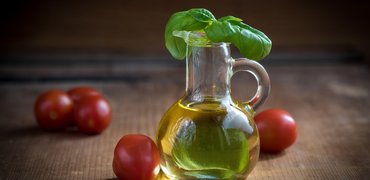
Learn how to choose, store, and cook with extra virgin olive oil without losing its delicate flavour or health benefits.

Restaurant Reviews


-

Long established fact that a reader will be distracted
-

Long established fact that a reader will be distracted
-

Long established fact that a reader will be distracted




Meze Dishes
Karla Gleichauf
12 May 2017 at 05:28 pm
On the other hand, we denounce with righteous indignation and dislike men who are so beguiled and demoralized by the charms of pleasure of the moment
M Shyamalan
12 May 2017 at 05:28 pm
On the other hand, we denounce with righteous indignation and dislike men who are so beguiled and demoralized by the charms of pleasure of the moment
Liz Montano
12 May 2017 at 05:28 pm
On the other hand, we denounce with righteous indignation and dislike men who are so beguiled and demoralized by the charms of pleasure of the moment