

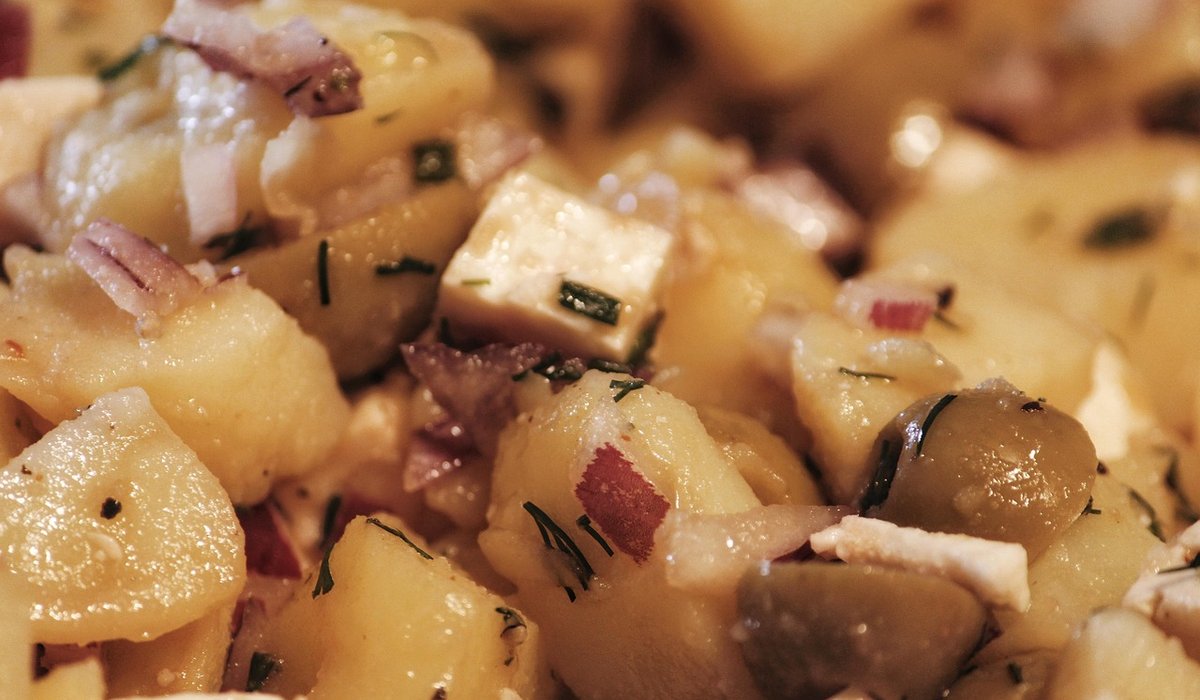
Tips for Ordering Meze at a Greek Restaurant
Understanding What Meze Really Means
In Greece, meze isn't a starter course in the British sense. It's a whole way of eating — a slow, sociable procession of small plates that arrive in waves, each one designed to be picked at, shared, and talked over. The word comes from the Persian maze, meaning taste or snack, and that's the spirit of it: little tastes, many of them, spread across an evening rather than piled onto one plate.
This trips up a lot of first-timers. You sit down, order five dishes each, and suddenly the table is groaning under a mountain of food before anyone has finished their first glass of wine. The trick is to think in courses, not in portions. A well-ordered meze table unfolds slowly, and the pleasure is in the rhythm as much as the food.
Start with the Cold Dips and Bread
Every meze table should open with a cluster of cold dips. These are cheap, generous, and they buy you time while the kitchen fires up the grill. Order two or three between four people, no more — you want variety, not a dip buffet.
- Tzatziki — thick yoghurt, cucumber, garlic, olive oil. The cooling anchor of the table.
- Taramasalata — whipped roe, lemon, and bread. Rich, so a little goes a long way.
- Melitzanosalata — smoked aubergine, often with a hit of vinegar. Underrated and superb.
- Fava — a smooth yellow split pea purée, usually topped with red onion and capers. Filling and delicious.
Ask for plenty of warm pitta or crusty village bread. A good restaurant will bring it without being asked, but never assume. Use the bread to mop, and don't be shy about asking for a second round — it's part of the meal, not a side note.
Bring in the Vegetables and Salads
Greek cooking treats vegetables with real respect, and this is where a meze table starts to feel like a proper feast rather than a plate of snacks. Once the dips have settled, order a couple of vegetable plates and one salad.
- Horiatiki — the proper Greek salad: tomato, cucumber, onion, olives, a slab of feta, oregano, olive oil. No lettuce, no fuss.
- Grilled aubergine or courgette — often dressed simply with lemon and oil. Order it if it's on the menu.
- Gigantes plaki — giant butter beans baked in tomato. Hearty enough to anchor the table.
- Horta — boiled wild greens, dressed with lemon and oil. Bitter, clean, and a lovely counterpoint to anything fried.
Watch the frying. A few fried items — courgette chips, maybe some saganaki — are lovely, but if half the table is deep-fried, everything starts to taste the same by the second hour.
Then Let the Seafood and Grill Take Over
This is the heart of the meal, and the point at which the pace should slow right down. Order in smaller numbers than you think you need, then add more later. Grilled seafood is best eaten the moment it lands on the table.
- Grilled octopus — the true test of a Greek kitchen. Tender, charred, dressed with lemon and oil.
- Calamari — grilled rather than fried if the kitchen offers both. You'll taste far more of the squid.
- Grilled sardines or fresh fish — often sold by weight. Ask what's come in that day.
- Souvlaki or lamb chops — if your table wants meat, a few skewers or chops shared around go a long way.
Be realistic: two or three grilled items for four people is usually plenty, especially if you've ordered well in the early rounds. Squeeze lemon over everything, add a pinch of salt, and eat while it's hot.
How Much to Order for Your Table
A rough rule that works well: for four people, aim for around ten to twelve small plates in total, spread across three or four stages. That's roughly three cold, three vegetable, three grilled or seafood, plus bread and olives. It sounds like a lot, but plates are small and the meal stretches over two hours.
A few practical points:
- Order in rounds. Two or three dishes at a time, then reassess.
- Check whether plates are large or small before doubling up.
- Ask the server what's good today — Greeks are refreshingly direct about this.
- Keep one dish arriving every ten minutes rather than all at once.
If you're still hungry at the end, order more. No decent Greek restaurant will mind, and the kitchen would rather you left full and happy.
Drinks, Pace, and the Art of Lingering
Meze without a drink in hand is missing the point. Order a carafe or bottle of house white, or better still, a chilled retsina if you want the full experience — its piney edge cuts through fried food and oily fish beautifully. Ouzo, diluted with water and sipped slowly, works too, but pace yourself.
Above all, don't rush. A meze table is designed to be picked at over hours, with conversation flowing and plates coming and going. If you finish in forty minutes, you've eaten a lot of food but missed the meal. Order a little less than you think you want, add more as the evening goes on, and let the table fill and empty in its own time. That's how it's done in Greece, and it's how you'll enjoy it most here.


Greek Recipes
-
Layer filo pastry with nuts and syrup for a crisp, sticky dessert that improves after a day in an airtight tin.


Restaurant Reviews

-

Long established fact that a reader will be distracted
-

Long established fact that a reader will be distracted
-

Long established fact that a reader will be distracted




Meze Dishes
Karla Gleichauf
12 May 2017 at 05:28 pm
On the other hand, we denounce with righteous indignation and dislike men who are so beguiled and demoralized by the charms of pleasure of the moment
M Shyamalan
12 May 2017 at 05:28 pm
On the other hand, we denounce with righteous indignation and dislike men who are so beguiled and demoralized by the charms of pleasure of the moment
Liz Montano
12 May 2017 at 05:28 pm
On the other hand, we denounce with righteous indignation and dislike men who are so beguiled and demoralized by the charms of pleasure of the moment