

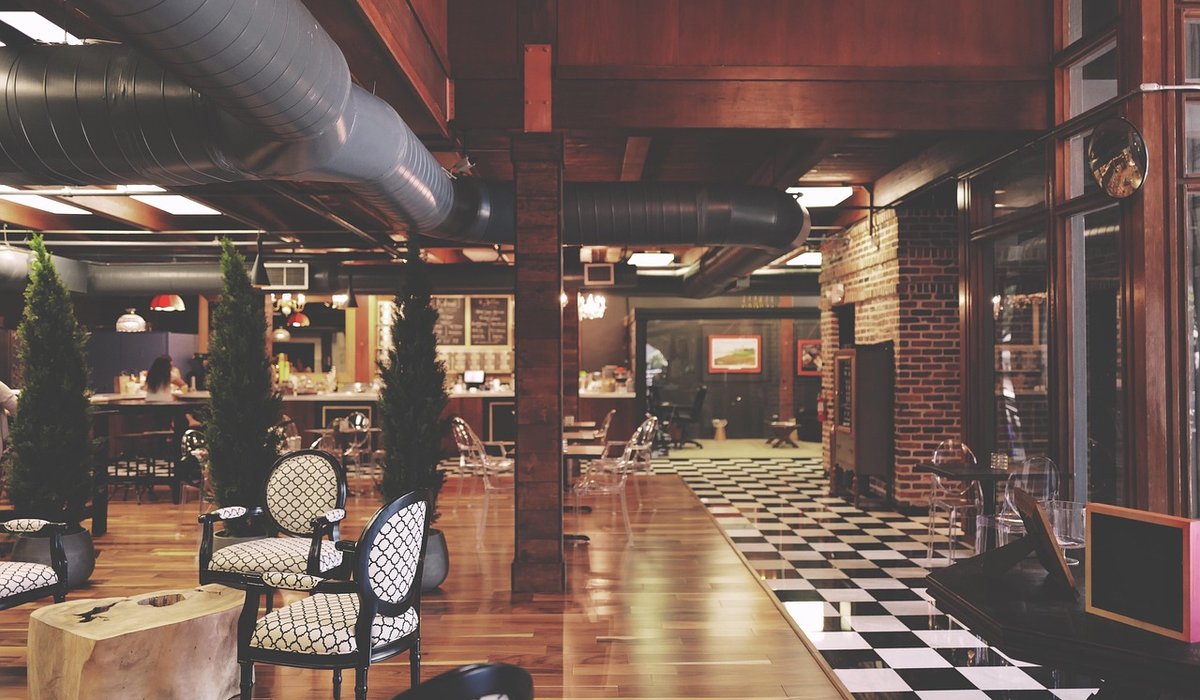
Creating a Warm Taverna Atmosphere at Home
What Actually Makes a Taverna Feel Like a Taverna
Ask anyone who has spent a long, sticky evening at a table in Greece what they remember, and it is rarely the food alone. It is the light pooled on a paper tablecloth. It is the sound of plates landing in the middle and four hands reaching for the same bowl. It is the feeling that nobody is watching the clock.
The good news for anyone cooking Greek and Mediterranean food at home in the UK is that this atmosphere owes very little to whitewashed walls, blue chairs or a view of the sea. It comes down to light, sound, and the way you put food on the table. All three are things you can change this weekend with what you already own, plus a trip to a good greengrocer.
Lighting: Turn the Big Light Off
This is the single biggest change you can make, and it takes ten minutes. A taverna is never lit from above by one bright source. It is lit by dozens of small, warm pools of light, most of them below eye level.
- Switch off the ceiling light entirely. If your guests protest, ignore them; they will stop noticing within five minutes.
- Use table lamps, floor lamps and wall lights with warm bulbs — around 2700K. Cool white bulbs make even the best taramasalata look like a hospital canteen.
- Put candles on the table. Unscented, in jam jars or small glasses, so they do not fight with the smell of garlic and oregano.
- If you have a garden, courtyard or balcony, a string of festoon bulbs hung at head height does more for the mood than any amount of bunting.
- Draw the curtains and let the room go a little darker than feels natural at first. Dimness is what makes people linger.
Aim for three or four separate sources of light rather than one, and place them so faces are lit softly from the side. You are trying to recreate the feeling of a courtyard at dusk, not a restaurant with a lighting budget.
Set the Table So Nobody Has to Ask
Taverna tables are crowded in the best way. Everything a guest might want is already within reach, so nobody has to interrupt a conversation to ask where the salt is.
- Put every dish in the centre of the table. Nothing gets plated in the kitchen, and nothing gets served from the side.
- Use small plates rather than large ones. People take a little, then take more, and the table stays full of movement.
- Provide a generous stack of side plates so guests can help themselves and swap dishes without ceremony.
- Put out a bowl for olive stones, a basket of bread, a jug of cold water, and wine in a carafe rather than in bottles. Carafes get passed around; bottles sit and intimidate.
- Add lemon halves, a small dish of coarse salt, a bottle of good olive oil, and a little dish of dried oregano for sprinkling over feta.
- Use paper napkins and, if you can, a paper or plain cotton tablecloth. Both look right and both forgive spills.
Seat people closer together than you would for a formal dinner. Taverna tables are sociable because they are slightly too small, which means shoulders touch and conversation overlaps.
Sound: Bouzouki, Not Background Noise
Music is the difference between a nice dinner and an evening that runs past midnight. Build a playlist in advance rather than leaving it to someone's phone midway through the meal.
Start with something gentle and melodic — slow clarinet, island songs, smyrneika — while people arrive and pick at olives. Move into rebetiko and laïko as the food comes out and the wine goes down. Bouzouki, baglama and lyra are the sounds that do the heavy lifting; a little brass and accordion never hurts.
Keep the volume just under the level where people have to raise their voices. If you can hear the music clearly but still hear your neighbour without leaning in, you have it right.
There should be no silences between songs. A gap of ten seconds in a playlist breaks the spell entirely, so use a long list and let it run. And do not panic if the kitchen is noisy — clattering pans, running water and a door banging are all part of the soundtrack of a real taverna.
Food That Arrives in Waves
A taverna meal is not a starter, a main and a pudding. It is a steady stream of small dishes, and the table never empties.
- Begin with cold meze: tzatziki, melitzanosalata, htipiti, good olives, sliced tomatoes and cucumber, feta with oregano and oil.
- Follow with warm bread — pita, sourdough or a plain flatbread — straight from the oven and torn rather than cut.
- Then hot plates: saganaki, grilled halloumi, keftedes, gigantes plaki, fried courgette with mint.
- Then something from the grill or oven: souvlaki, lemon potatoes, lamb kleftiko, grilled fish with ladolemono.
- Finish with fruit, yoghurt with honey and walnuts, or a small piece of halva with Greek coffee.
Do not serve everything at once, and do not be tempted to make the portions elegant. Making two or three dishes ahead and finishing the rest while guests are already seated works beautifully. Nobody minds a stream of food arriving in stages; that is precisely the point.
The Small Rituals That Finish the Picture
Pour ouzo or tsipouro into small glasses and let guests add their own water and watch it cloud. Leave the kitchen door open and let people drift in and out. Do not clear plates too quickly; a table with a few remnants on it looks lived in, and lived in is the goal.
Finally, plan to sit down yourself. Hosts who spend the whole evening standing at the hob kill the mood faster than a bright ceiling light. Bring the last dish to the table, pour yourself a glass, and stay there. That is the taverna atmosphere, and it has almost nothing to do with the food.


Greek Recipes
-
Explore the preparation, serving, and social customs of Greek coffee, from cafés to family kitchens across the Mediterranean.


Restaurant Reviews


-

Long established fact that a reader will be distracted
-

Long established fact that a reader will be distracted
-

Long established fact that a reader will be distracted



Meze Dishes
Karla Gleichauf
12 May 2017 at 05:28 pm
On the other hand, we denounce with righteous indignation and dislike men who are so beguiled and demoralized by the charms of pleasure of the moment
M Shyamalan
12 May 2017 at 05:28 pm
On the other hand, we denounce with righteous indignation and dislike men who are so beguiled and demoralized by the charms of pleasure of the moment
Liz Montano
12 May 2017 at 05:28 pm
On the other hand, we denounce with righteous indignation and dislike men who are so beguiled and demoralized by the charms of pleasure of the moment