

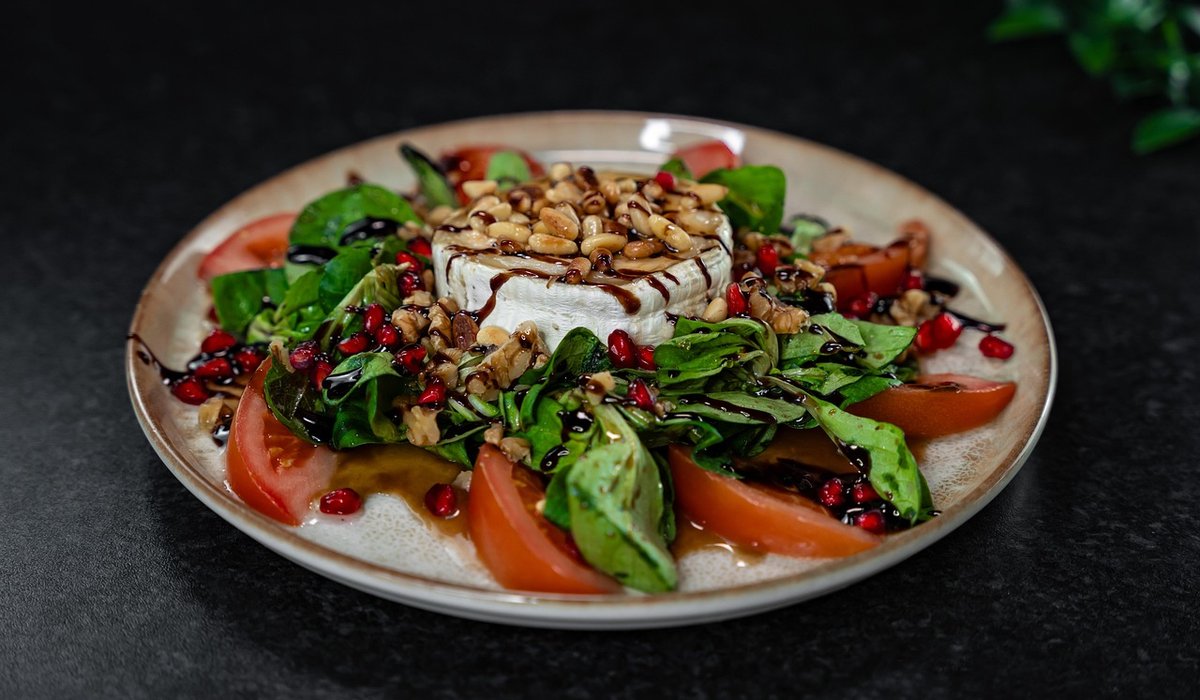
Setting a Mediterranean Table for Family Meals
The Table Is Part of the Meal
In Greece and across the Mediterranean, nobody fusses over a table setting the way we sometimes do in Britain. There is no charger plate, no fussy napkin fold, no symmetrical arrangement of cutlery. What there is instead is a table that looks ready to be used: a cloth that has seen a hundred lunches, a jug of water, a dish of olives already glistening with oil, and chairs pulled slightly out because people will be sitting down any minute. The point is not perfection. The point is invitation.
When you set a table this way at home, you are doing something quietly powerful. You are telling everyone who sits down that the meal is generous, that they can help themselves, and that no one is expected to eat politely and leave. In practical terms, that means fewer plates, more bowls, and a bit more room in the middle.
Linens, Cloth, and Colour
Start with what goes under everything else. A simple linen cloth in a warm, faintly faded colour — terracotta, olive, ochre, or unbleached cream — does more for a table than any centrepiece. Linen creases, and that is fine; the creases suggest a table that gets used. If you do not own linen, a cotton tablecloth in a solid colour works just as well, and paper napkins are perfectly acceptable in most Greek homes, especially on a weekday.
Resist the urge to match everything. Mediterranean tables are often a cheerful mismatch: a blue-and-white striped cloth with plain white bowls, or a plain cloth with patterned serving dishes picked up on holiday. What ties it together is warmth of tone rather than coordination.
- Cloth: linen or cotton, warm neutral or deep colour, ironed once and then forgiven.
- Napkins: fabric if you have them, paper if you do not. Fold loosely beside the fork.
- Cutlery: a fork, a knife, and a spoon. No more is needed, even for a large meal.
- Glassware: small tumblers for water and wine. Water is on the table from the start, always.
Bowls in the Middle, Plates at the Edge
The single biggest change you can make to a family meal is to move the food to the centre of the table. In Greece, mezze-style eating is the norm: a dozen small dishes, each in its own bowl, all within reach. Nobody plates up in the kitchen. Everyone takes a spoonful, passes the bowl to the left, and takes a little more later. This is how a table stays lively for two hours.
You do not need twelve dishes. Four or five will do. Think of things that sit happily at room temperature and improve as they wait:
- A bowl of tzatziki, thick with Greek yoghurt, cucumber, garlic, and a little olive oil on top.
- Horiatiki — proper Greek salad — with tomatoes, cucumber, red onion, olives, and a slab of feta, dressed only with oil, vinegar, salt, and oregano.
- Warm flatbread or pitta, wrapped in a cloth so it stays soft.
- A small dish of olives and another of pickled peppers or caper berries.
- Something cooked — roast aubergine, gigantes plaki, or simply grilled halloumi, still warm from the pan.
Use bowls of different sizes, and do not fill them to the brim. Half-full bowls look generous and make passing easier. Keep a small jug of olive oil and a bowl of lemon wedges near the middle; both will be reached for constantly.
Flowers, Herbs, and What Sits in the Centre
A tall vase of flowers in the middle of the table is a British habit that gets in the way. In Mediterranean homes, the centre is for food, and anything decorative sits low and off to one side. If you want flowers, choose short stems in a small jug: a few sprigs of rosemary, a handful of wildflowers, a single stem of oregano in bloom. Rosemary is especially useful because it smells of the kitchen and costs nothing if you grow it in a pot on the windowsill.
Fruit works just as well. A shallow bowl of oranges, lemons, or figs is decorative and edible, and it looks better as people take from it. If you have herbs going spare, put a bunch of flat-leaf parsley or mint in a glass of water beside the bowls — practical, green, and quietly beautiful.
The Rhythm of the Meal
How you serve matters as much as what you serve. Bring the bowls out together, not in courses. Let the first few minutes be about settling in: water poured, bread torn, olives taken. Conversation will start on its own once hands are busy. Do not clear plates the moment someone stops eating; in most Mediterranean homes, plates stay on the table until the end, and people keep picking.
If you are cooking a main dish — a roast chicken with lemon and oregano, a tray of roasted vegetables, a pot of fasolada — bring it to the table whole and let people serve themselves. Carving at the table is slower, and slower is the point. Keep the water jug topped up, and offer wine modestly. Nobody needs to be urged to drink.
Afterwards, leave the table as it is for a while. Push the bowls to one side, put out a plate of fruit or a few squares of halva, and pour small glasses of something sweet. The clearing up can wait. In Greece this is called kales parea — good company — and it is the real reason the table was laid in the first place.
Everyday Practicalities for UK Kitchens
None of this requires a trip abroad. Good Greek yoghurt, feta, olives, and decent olive oil are in every supermarket, and a local greengrocer will often have better tomatoes, aubergines, and peppers than a large store. Buy bread from a bakery rather than a plastic-wrapped loaf, and it will taste of something.
- Keep a stack of small bowls in a cupboard you can reach without effort. You will use them far more often.
- Buy olive oil in tins rather than tiny bottles; it keeps better and you will use it more freely.
- Grow mint, oregano, and rosemary in pots. They survive British weather better than you might expect and cost pennies to keep.
- Cook one dish ahead — a tray of roasted vegetables or a pot of beans — so the table is full without a rushed hour in the kitchen.
Set the table before you start cooking, not after. A laid table changes how you cook: you relax, you add one more bowl, you sit down sooner. That, more than any recipe, is what makes a Mediterranean meal feel like one.


Greek Recipes
-
Balance cold dips, grilled seafood, and vegetable dishes across courses so your table enjoys a varied and satisfying feast.


Restaurant Reviews

-

Long established fact that a reader will be distracted
-

Long established fact that a reader will be distracted
-

Long established fact that a reader will be distracted


Meze Dishes
Karla Gleichauf
12 May 2017 at 05:28 pm
On the other hand, we denounce with righteous indignation and dislike men who are so beguiled and demoralized by the charms of pleasure of the moment
M Shyamalan
12 May 2017 at 05:28 pm
On the other hand, we denounce with righteous indignation and dislike men who are so beguiled and demoralized by the charms of pleasure of the moment
Liz Montano
12 May 2017 at 05:28 pm
On the other hand, we denounce with righteous indignation and dislike men who are so beguiled and demoralized by the charms of pleasure of the moment