

Light Greek Wines for Warm Summer Evenings
Why northern Greece delivers the freshest bottles
Most of us reach for a Greek white in July and think of the islands, but some of the most refreshing bottles come from the north of the country. Macedonia and Thrace — in particular the high plateau around Amyndeon and the slopes near Naoussa — sit several hundred metres above sea level. Warm, sunny days ripen the grapes fully; cold nights slow everything down and lock in natural acidity. The result is wine with real freshness, moderate alcohol and a lemony, herbal edge that feels made for a warm evening.
Add the sea breeze along the Chalkidiki peninsula and the limestone and clay soils inland, and you have the conditions for light, dry wines that never tire the palate. If you have only ever drunk Greek wine on holiday with a plate of chips, this is the corner of the country to explore properly.
White grapes worth seeking out
Ask for a Greek white and most people mean Assyrtiko. It deserves the reputation: bone dry, sharply citric, with a saline, almost sea-spray finish. Santorini made it famous, but plantings in Chalkidiki and northern Macedonia now offer a leaner, more affordable version that is just as food friendly.
Malagousia is the northern speciality to know. Grown mostly in Macedonia, it smells of white peach, lemon blossom and sometimes a leaf of basil, and the texture is soft and rounded without being heavy. It is one of the most charming warm-weather whites in the Mediterranean.
Roditis is the reliable everyday grape: pale, light-bodied, faintly bitter on the finish in a good way, and often remarkable value. Moschofilero brings a floral, grapefruit-scented lift. Look for any of these beside a place name — Amyndeon, Naoussa, Drama, Attica — and you will rarely go wrong.
Dry rosé: the everyday hero
Greek dry rosé may be the most underrated summer wine in the UK. The best known is made from Xinomavro, the red grape of Naoussa and Amyndeon. It is pale onion-skin in colour rather than bubblegum pink, and tastes of wild strawberry, redcurrant and a savoury note that recalls tomato leaf or olive. There is usually a gentle grip of tannin, which makes it far more useful at the table than a simple, sweetish blush.
Rosé from Agiorgitiko, further south, is rounder and fruitier, while Syrah-based rosés from Macedonia sit somewhere in between. Serve them properly dry and you have a bottle that handles everything from grilled vegetables to cold roast chicken.
Getting the chill and the glass right
Temperature matters more than most people admit. A white served straight from the fridge at 4°C tastes of nothing but cold; too warm and it turns flabby. Aim for 8-10°C for whites and 10-12°C for rosé. In practice, that means twenty minutes out of the fridge before pouring, or fifteen minutes in an ice bucket filled with half water and half ice — far quicker than ice alone.
For glassware, a medium tulip shape with a slightly narrower rim keeps the aromatics focused; save the flutes for sparkling. If you are drinking outdoors, keep the bottle in the shade or in a cooler rather than on a sunny table.
Matching with salads, seafood and light mezze
These wines were built for the kind of food most of us actually cook in summer.
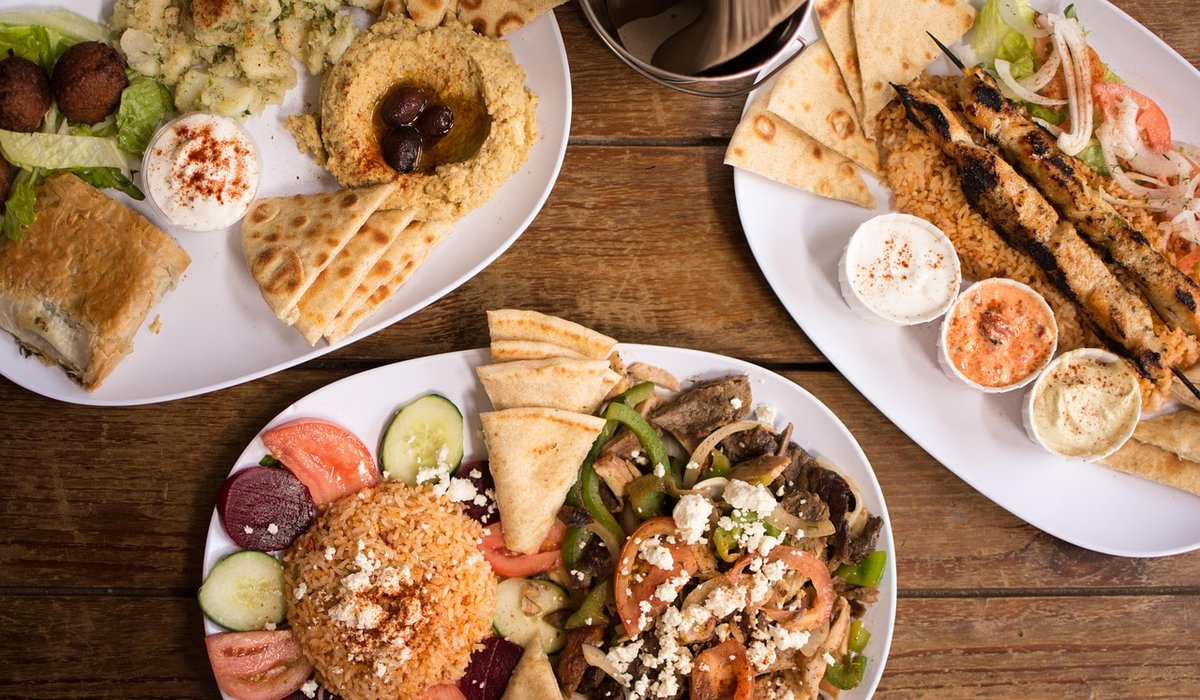
- Horiatiki — a proper Greek salad of tomato, cucumber, red onion, olives and a slab of feta with oregano and good olive oil. The salt in the cheese and the acidity of the tomato love Assyrtiko and Roditis.
- Grilled fish and seafood — sardines, sea bream, prawns, or fried kalamarakia with lemon. Malagousia is the classic partner; its soft peach fruit flatters the sweetness of shellfish.
- Light mezze — tzatziki, taramasalata, melitzanosalata, dolmades, gigantes beans and a slice of grilled saganaki. A dry Xinomavro rosé cuts through the oil and salt beautifully.
- Tomato-based dishes — baked aubergine, stuffed peppers, a tomato and bread salad. The savoury edge of Xinomavro rosé handles tomato better than most whites.
Keep the seasoning light and the oil generous; these wines are delicate, and a heavy-handed chilli or soy glaze will flatten them.
Buying and keeping: practical notes for UK drinkers
Greece still offers some of the best value in the wine aisle. Expect to pay £8-£12 for a very decent Roditis or Malagousia and £12-£18 for a serious Assyrtiko or Xinomavro rosé. Drink the whites and rosés young — within two or three years of the vintage — while the fruit is bright; these are not bottles to lay down.
On the label, look for the grape name and a region: Amyndeon, Naoussa, Drama, Chalkidiki, Attica. Screwcaps are common and no bad sign, especially for wines meant to be drunk fresh. Buy two bottles of each rather than one: the first disappears with the mezze, the second tells you whether you want a case.
Once open, stopper the bottle and keep it in the fridge door; a good Greek white will still be pleasant on day two and often excellent on day three. A mixed case of one Assyrtiko, one Malagousia, one Roditis and a couple of dry rosés is a sensible way to start the summer.


Greek Recipes
-
Identify and use rigani, thyme, sage, and savory to bring rustic fragrance to roasted meats, pulses, and vegetable dishes.


Restaurant Reviews



-

Long established fact that a reader will be distracted
-

Long established fact that a reader will be distracted
-

Long established fact that a reader will be distracted




Meze Dishes
Karla Gleichauf
12 May 2017 at 05:28 pm
On the other hand, we denounce with righteous indignation and dislike men who are so beguiled and demoralized by the charms of pleasure of the moment
M Shyamalan
12 May 2017 at 05:28 pm
On the other hand, we denounce with righteous indignation and dislike men who are so beguiled and demoralized by the charms of pleasure of the moment
Liz Montano
12 May 2017 at 05:28 pm
On the other hand, we denounce with righteous indignation and dislike men who are so beguiled and demoralized by the charms of pleasure of the moment