

Using Herbs Like Oregano and Thyme in Cooking
A Little Goes a Long Way
Walk into any Greek kitchen and you will find two jars within arm's reach of the hob: oregano and thyme. They are the workhorses of Mediterranean cooking, and yet they are often misunderstood in British kitchens. The mistake is usually one of quantity rather than choice. Oregano and thyme are generous herbs, but they are not loud ones. Used well, they lift a dish without smothering the tomatoes, the lemon or the olive oil sitting alongside them. The trick is knowing which form to use, and when to add it.
Dried Oregano: The Backbone of Greek Cooking
In Greece, dried oregano — rigani — is treated as a seasoning rather than a garnish. It is more concentrated and more aromatic than the fresh leaves sold in supermarket herb pots, and it is prized for exactly that reason. A pinch rubbed between your palms releases oils that fresh oregano simply cannot match.
- Rub dried oregano into lamb shoulder or pork belly before roasting, along with garlic, lemon zest and a good slug of olive oil.
- Scatter it over a Greek salad just before serving, so it lands on the feta and tomatoes rather than sinking into the oil.
- Stir it into marinades for chicken or fish with lemon juice, salt and pepper — two teaspoons per four tablespoons of oil is about right.
- Add it to roast potatoes in the last ten minutes, or toss it through green beans cooked slowly in tomato.
Greek oregano, sometimes sold as wild oregano, has a sharper, more peppery scent than milder varieties. If your jar smells dusty rather than fragrant, it is probably past its best.
Thyme: Quiet Depth for Slow Cooking
Thyme — thymari — is subtler and earthier than oregano, with a faintly floral, almost pine-like note. It works particularly well where food is cooked slowly: braises, traybakes, beans and anything with lemon. In Greece it grows wild on hillsides, and the honey from those bees is a national treasure.
- Tuck whole sprigs under a roasting chicken with lemon halves and garlic.
- Add dried thyme to tomato sauces and bean dishes near the start of cooking, so it has time to soften into the background.
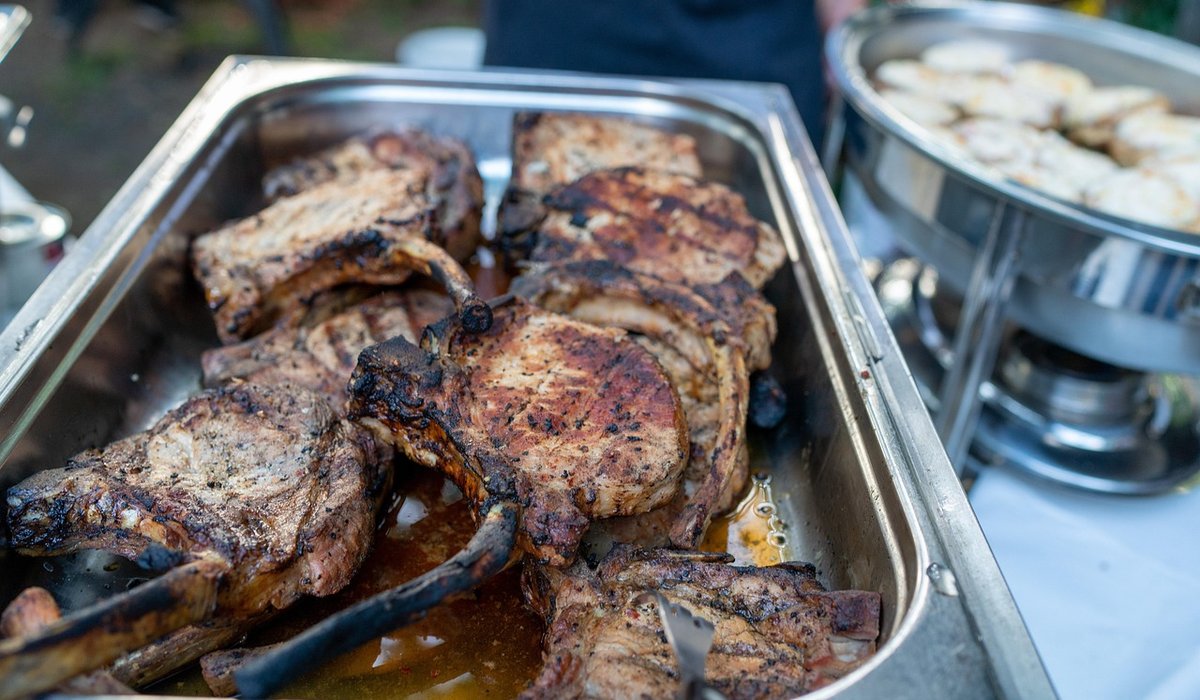
- Crush a little into a rub for pork chops or lamb steaks, alongside fennel seed or smoked paprika.
- Use it sparingly with fish — a few leaves in a lemon and olive oil dressing is plenty.
Fresh or Dried? A Useful Rule
As a rough guide, one teaspoon of dried herbs equals about one tablespoon of fresh. But the choice is less about maths and more about method.
- Fresh herbs are best added at the end, or used raw in dressings and salads and spooned over finished dishes.
- Dried herbs need heat and time. Add them early to marinades, rubs, sauces and roasts so their flavour can bloom.
Fresh oregano is milder and more grassy, so it will not carry a slow-cooked lamb the way dried will. Fresh thyme, on the other hand, holds up well in the oven and can be used generously.
Everyday Ways to Build Flavour
The most useful habit to borrow from Greek home cooking is layering: the same herb appearing at more than one stage of the dish. A lamb joint might be rubbed with dried oregano the night before, roasted with thyme sprigs, then finished with fresh oregano and lemon. Each addition does a slightly different job.
For a simple weeknight marinade, whisk together four tablespoons of olive oil, the juice of half a lemon, two cloves of crushed garlic, a teaspoon of dried oregano, a teaspoon of dried thyme, and plenty of salt and pepper. It will happily take chicken thighs, pork shoulder steaks or a whole butterflied leg of lamb. Give it at least two hours in the fridge, longer if you can.
For a tomato sauce that tastes of the Aegean, soften an onion in olive oil, add garlic, a tin of tomatoes, a teaspoon each of dried oregano and thyme, and a pinch of sugar. Simmer for twenty minutes. That is the base for baked aubergine, stuffed peppers or a plain bowl of pasta on a Tuesday night.
Storing Herbs So They Keep Their Punch
- Buy dried herbs whole where possible and crush them as you use them.
- Keep jars airtight, away from the light and away from the heat of the hob.
- Replace dried herbs every twelve months — they fade rather than spoil.
- To wake up tired leaves, rub them between your palms or warm them briefly in a dry pan before adding.
Good herbs are not about showing off. They are about making a tomato taste more like a tomato, and a piece of lamb taste as though it has spent the afternoon on a Greek hillside. Start with a light hand, taste as you go, and let oregano and thyme do the quiet work.


Greek Recipes
-
Strain yoghurt properly, grate cucumber, and balance garlic and acid to create a thick dip that never turns watery or bitter.

Restaurant Reviews




-

Long established fact that a reader will be distracted
-

Long established fact that a reader will be distracted
-

Long established fact that a reader will be distracted




Meze Dishes
Karla Gleichauf
12 May 2017 at 05:28 pm
On the other hand, we denounce with righteous indignation and dislike men who are so beguiled and demoralized by the charms of pleasure of the moment
M Shyamalan
12 May 2017 at 05:28 pm
On the other hand, we denounce with righteous indignation and dislike men who are so beguiled and demoralized by the charms of pleasure of the moment
Liz Montano
12 May 2017 at 05:28 pm
On the other hand, we denounce with righteous indignation and dislike men who are so beguiled and demoralized by the charms of pleasure of the moment